
As a parent, you want to give your child the best possible start in oral health. One of the most common questions parents ask a pediatric dentist in Pulaski is when their little one should begin using fluoride. It is a fair question, and the answer is more straightforward than you might think. Fluoride plays a key role in keeping young teeth strong and preventing cavities but timing and dosage matter.
What Is Fluoride and Why Does It Matter for Kids?
Fluoride is a natural mineral found in water, soil, and many foods. It works by strengthening tooth enamel the hard outer layer that protects teeth from decay. For children, whose teeth are still developing, fluoride helps build a strong foundation that can last a lifetime.
When children are exposed to the right amount of fluoride at the right age, their risk of developing cavities drops significantly. Studies show that fluoride can reduce cavities in baby teeth by up to 40% and in permanent teeth by up to 60%. That is why dental professionals consider it one of the most effective tools in preventive oral care for children.
At What Age Should Kids Start Using Fluoride?
The American Dental Association (ADA) and the Canadian Dental Association (CDA) offer clear guidance on fluoride use by age. Here is a quick overview:
| Age Group | Fluoride Guidance |
| Birth to 6 months | No fluoride supplements needed |
| 6 months to 3 years | Use a tiny smear (rice-sized) of fluoride toothpaste |
| 3 to 6 years | Use a pea-sized amount of fluoride toothpaste |
| 6 years and older | Regular brushing with fluoride toothpaste; consider fluoride treatments |
Parents are often surprised to learn that fluoride use begins so early. Even before your child’s first tooth emerges, it’s helpful to know the fluoride levels in your local water supply. Once teeth start coming in, supervised use of fluoride toothpaste becomes part of the daily routine.
Is Fluoride Safe for Toddlers?
Many parents wonder: Is fluoride safe for toddlers? The short answer is yes — when used in the right amounts. Concerns about fluoride usually stem from dental fluorosis, which occurs when young children consume too much fluoride before their permanent teeth come in. Mild fluorosis can cause faint white lines or spots on teeth. However, this is largely preventable.
To keep things safe for your toddler:
- Use only a rice-grain-sized smear of toothpaste for children under three.
- Always brush your child’s teeth yourself until they develop the coordination to do it properly.
- Teach kids not to swallow toothpaste.
- Choose fluoride toothpaste approved by dental associations.
When used correctly, fluoride toothpaste and treatments are completely safe and highly beneficial for developing teeth.
Professional Fluoride Treatments: What to Expect
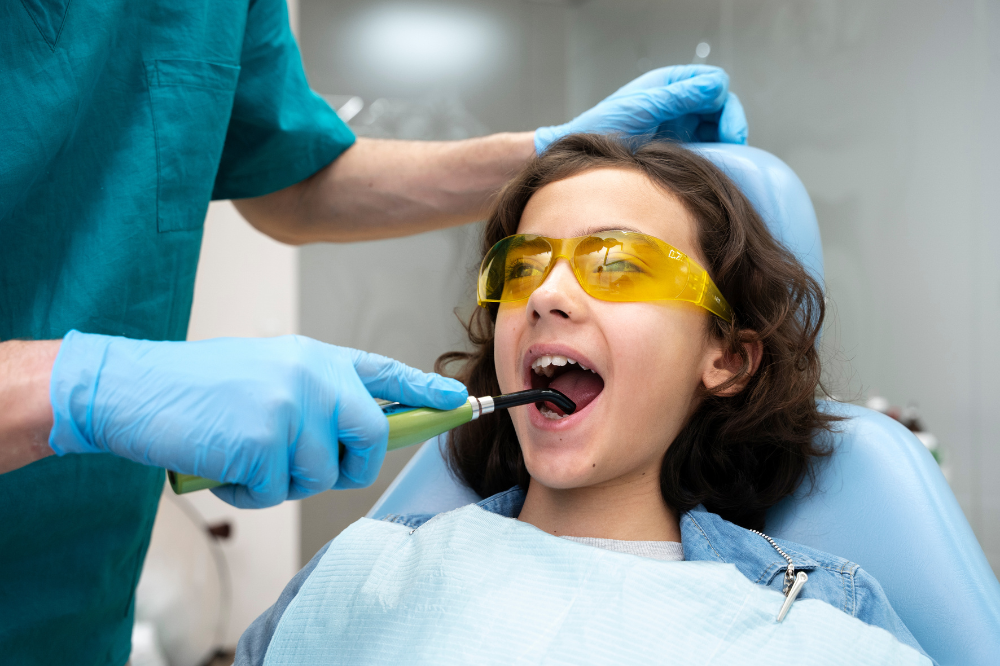
Dental experts provide fluoride treatments for children in addition to toothpaste. These are administered during a dental appointment. They are painless and quick applications of fluoride varnish or gel. If you are searching for fluoride treatment for kids near you, know that these in-office treatments provide a higher concentration of fluoride than what is found in toothpaste — giving little teeth an extra layer of protection.
Professional fluoride treatments are typically recommended:
- Every six months for children at moderate to high cavity risk.
- After a thorough dental cleaning.
- Starting as early as the first dental visit, which should happen by age one.
The treatment itself takes only a few minutes. A flavoured varnish is painted onto the teeth and hardens quickly. Children can eat and drink shortly after. It is one of the easiest and most effective preventive dental procedures available for young patients.
Fluoride in Water: Does It Count?
Fluoride is supplied to children through fluoridated water. Fluoride may help Many cities add fluoride to tap water at recommended levels (around 0.7 mg/L) to reduce tooth decay in the community. If your child regularly drinks fluoridated tap water, it adds to their fluoride intake.
However, if your family uses bottled water or a water filter that removes fluoride, your child may not be getting this benefit. Talk to a professional at a pediatric dental clinic near you to find out whether your child needs supplemental fluoride based on their diet and water source.
Signs Your Child May Need More Fluoride Support
Some children are at a higher risk of cavities and may benefit from additional fluoride support. Watch for these signs:
- Frequent snacking on sugary or starchy foods
- History of tooth decay in baby teeth
- Dry mouth or breathing through the mouth
- Difficulty brushing or irregular oral hygiene habits
- Limited access to fluoridated water
If any of these apply to your child, speaking with a dental professional can help you determine the right fluoride plan for their needs.
Conclusion
Fluoride is one of the most powerful tools available for keeping your child’s teeth healthy and strong. From the first tooth to the teenage years, the right amount of fluoride through toothpaste, treated water, or professional applications can make a meaningful difference in your child’s long-term oral health.
At Southern Comfort Pediatric Dentistry, we are passionate about helping families in Pulaski and the surrounding areas protect their children’s smiles from an early age. Whether you are curious about your toddler’s fluoride needs or ready to schedule a professional fluoride treatment, our warm and caring team is here to help.
Book an appointment with us today and let us create a personalized fluoride plan that is safe, effective, and right for your child’s unique smile. We look forward to being your trusted partner in raising happy, healthy little patients.
Frequently Asked Questions
Q: When should my child have their first dental visit?
According to the recommendation, once your child reaches 1 year old, or within 6 months of the first tooth coming through, whichever is sooner.
Q: Can my baby use fluoride toothpaste?
Yes, but only a tiny smear the size of a grain of rice after the first tooth erupts. Always use a toothpaste made for babies or toddlers.
Q: Is fluoride safe for toddlers who accidentally swallow toothpaste?
If ingested orally occasionally, a small smear is safe. But it is not good to swallow toothpaste all the time. Always supervise brushing and use the minimum recommended quantity.
Q: How often should my child get a professional fluoride treatment?
Most dentists recommend every six months, though children at higher cavity risk may benefit from more frequent applications.
Q: What if we use a water filter at home?
Some filters remove fluoride from drinking water. If yours does, let your child’s dentist know so they can assess whether supplemental fluoride is needed.