
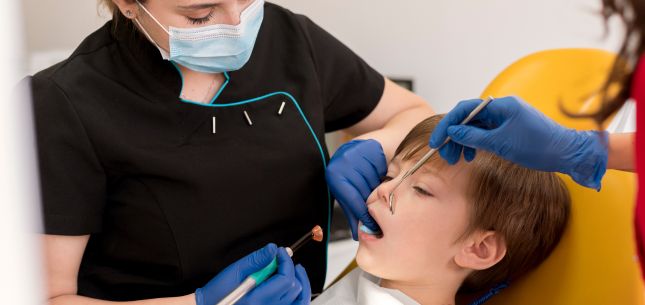
A sudden, sharp pain in your child’s mouth can be a frightening experience for both of you. Unlike adults, children often struggle to describe the exact nature of their discomfort, which can cause parents to panic.
A severe toothache is rarely just a minor inconvenience; it is often a signal from the body that something requires professional attention.
Whether it is caused by deep decay, a cracked tooth, or an emerging infection, taking the proper steps at home can help manage the pain until you can get into a clinical setting. Acting quickly prevents the issue from escalating into a more complex health problem.
How Can You Identify A True Pediatric Dental Emergency?
Not every oral ache requires an immediate dash to the clinic, but knowing when to act is vital.
A pediatric dental emergency usually involves persistent, throbbing pain that keeps a child awake at night or prevents them from eating. You should look for physical cues that go beyond a simple “ouch.”
- Visible Swelling: Check the gums, cheek, or jawline for puffiness.
- Gum Discoloration: Look for redness or a small, pimple-like bump on the gums.
- Physical Trauma: If the pain started after a fall or sports injury, the root may be damaged.
- Fever or Lethargy: General illness combined with mouth pain often points to an infection.
When Is It Time To Visit A Dentist?
If the pain is localized and does not subside with a warm salt-water rinse, you need professional guidance. Contacting a pediatric dentist in Pulaski as soon as symptoms arise is the best way to get an accurate diagnosis.
They can determine whether the pain is coming from a cavity that has reached the nerve or from a primary tooth being pushed by an emerging permanent one.
By calling early, you allow the office to prepare for your arrival, ensuring your child spends less time in the waiting room and more time receiving the relief they need to feel better.
How Can You Provide Comfort Before Your Appointment?
Before you can see an emergency pediatric dentist, you can take several steps at home to reduce your child’s distress. These methods focus on reducing pressure and inflammation in the affected area.
- Salt Water Swish: A warm rinse helps clear away bacteria and food debris.
- Elevated Resting: Keeping the head above the heart reduces blood pressure in the head, which can lessen throbbing.
- Cold Therapy: Applying a cold cloth to the outside of the face can naturally numb the area.
- Dietary Adjustments: Stick to soft, room-temperature foods to avoid triggering heat or cold sensitivity.
What services are included in urgent dental care for kids?
When you seek urgent dental care for kids, the clinical team focuses on two main goals: relieving pain and saving the tooth.
Depending on the cause of the ache, the treatment might be simpler than you expect.
- Protective Fillings: Stopping decay before it reaches the tooth’s center.
- Pulpotomies: Often called a “baby root canal,” this removes infected pulp while keeping the tooth intact.
- Antibiotic Therapy: Using medication to kill infections that cause swelling.
- Extraction: When a baby tooth is severely damaged and cannot be saved, removing it may be the healthiest option to protect the permanent tooth underneath.
Why Should You Choose An Emergency Pediatric Dentist?
In a crisis, proximity matters more than almost anything else. Finding an emergency pediatric dentist near you means less time spent in a car with a crying child and more time in a calming, child-friendly environment.
Local specialists are uniquely trained to handle the behavioural challenges that come with a child in pain. They use smaller tools, specialized communication techniques, and gentle sedation options to ensure the experience is not traumatic.
Furthermore, a local office makes it much easier to return for follow-up visits to ensure the area is healing correctly.
How Does A Dentist Help Prevent Future Pain?
While we are discussing emergencies today, the ultimate goal is to avoid them entirely.
A pediatric dentist near you serves as your partner in prevention. Regular six-month checkups allow professionals to catch “micro-cavities” before they ever cause a toothache.
- Sealants: Plastic coatings that “seal” the deep grooves of molars where food gets stuck.
- Fluoride Treatments: Strengthening the enamel to make it resistant to acid attacks.
- Education: Teaching your child the right way to brush and floss so they take ownership of their health.
- Mouthguards: Providing custom protection for active kids to prevent traumatic injuries.
Compassionate Care for Your Little One
Dental emergencies can be stressful, but quick care helps your child heal faster and protects their smile.
At Southern Comfort Pediatric Dentistry, we provide gentle, calming care when your family needs it most. Our team focuses on comfort while treating the cause of your child’s pain.
Contact us today for expert pediatric dental care you can trust.
FAQs
Can I use a topical numbing gel on my child’s gums?
Most experts recommend avoiding gels containing benzocaine for young children; it is safer to use cold compresses or consult your dentist for approved pain relief options.
What if the toothache happens in the middle of the night?
Clean the area, give an age-appropriate dose of pain reliever, and keep the child’s head elevated until you can call the office first thing in the morning.
Does a toothache always mean a cavity is present?
No, pain can also be caused by sinus pressure, emerging teeth, or even a piece of popcorn hull stuck deep under the gum line.
How do I know if an infection has become serious?
If your child has a high fever, a swollen face, or difficulty breathing or swallowing, you should head to the nearest emergency room immediately.