
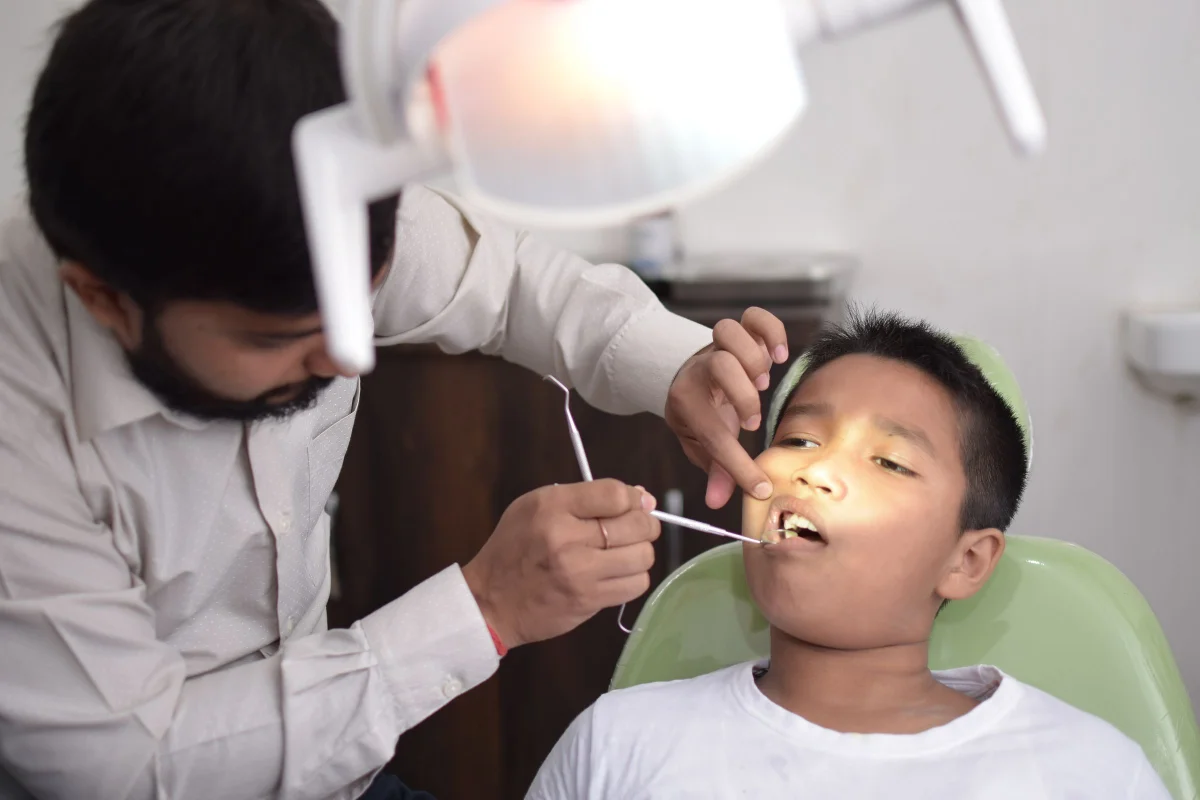
Dental emergencies in children can happen while playing, playing sports, eating, or doing daily activities. A sudden toothache, broken tooth, or mouth injury can cause pain and worry. Some problems may look small at first but can get worse without proper care. Knowing the signs and what to do can help protect your child’s teeth and gums. Emergency pediatric dentistry in Pulaski can address sudden dental problems and recommend appropriate care. Quick treatment is important if a permanent tooth falls out, a tooth is badly broken, or your child has swelling or signs of infection.
Understanding common dental emergencies also helps parents stay calm and take the right steps until professional care is available.
What Counts as a Dental Emergency for a Child?
A dental emergency is a sudden problem involving the teeth, gums, or mouth that needs prompt attention. It may cause pain, bleeding, swelling, or damage to a tooth.
Common dental emergencies in children include:
- Severe toothache: Ongoing or severe pain may be linked to decay, infection, or an injury.
- Knocked-out tooth: A permanent tooth that comes out after an accident needs immediate dental attention.
- Broken or chipped tooth: A fall or sports injury can crack or break part of a tooth.
- Loose tooth after an injury: A tooth that becomes loose, moves out of place, or feels painful after a hit needs an examination.
- Dental abscess: An infection may cause swelling, pus, pain, or a small bump on the gums.
- Soft tissue injuries: Cuts to the lips, cheeks, tongue, or gums may cause bleeding and need care.
A pediatric dentist in Pulaski can examine the affected area and decide what treatment is needed.
What Should You Do During Common Dental Emergencies?
Knowing the first steps can help reduce discomfort and protect the injured area.
1. If a permanent tooth is knocked out
- Find the tooth and hold it by the crown, not the root.
- If dirty, gently rinse it with milk or saline. Do not scrub it.
- If possible, place it back in the socket without forcing it.
- If this is not possible, keep it moist in milk or a tooth-preservation solution.
- Seek dental care immediately.
A knocked-out baby tooth should not be placed back into the socket because this may harm the developing permanent tooth.
2. If a tooth is chipped or broken
Rinse your child’s mouth gently with clean water. If the cheek is swollen, place a cold pack on the outside of the cheek. Keep any broken pieces of the tooth and take them to the dentist. Get dental care quickly, especially if your child has pain or the broken tooth shows its inner part.
3. If a child has a toothache
Rinse your child’s mouth with warm water. Gently use floss to remove any food stuck between the teeth. A cold pack may help reduce swelling. Do not put aspirin or pain medicine directly on the tooth or gums. Visit a dentist to find out what is causing the pain.
4. If the gums or face are swollen
Swelling with tooth pain, fever, pus, or a bad taste in the mouth may be a sign of infection. Contact a dentist as soon as possible. If swelling makes it hard for your child to breathe or swallow, get emergency medical help.
When Should a Child See an Emergency Dentist?
Some dental problems require immediate care, while others can be assessed during a prompt appointment. Contact a dental professional if your child has:
- A permanent tooth knocked out or moved out of place.
- Severe or ongoing tooth pain.
- A broken tooth with pain or bleeding.
- Swelling around the gums or face.
- Bleeding that does not stop with gentle pressure.
- Signs of infection, such as pus or fever.
For urgent concerns, emergency pediatric dentistry near you can help determine how quickly your child needs to be seen. If there is heavy bleeding, a serious facial injury, trouble breathing, or difficulty swallowing, seek emergency medical care.
How Can Dental Emergencies in Children Be Prevented?
Not every accident can be avoided, but simple habits can lower the risk of dental injuries and sudden problems.
- Encourage brushing twice a day with fluoride toothpaste.
- Help younger children floss once a day.
- Schedule regular dental checkups to find problems early.
- Use a properly fitted mouthguard during contact sports.
- Avoid chewing ice and other very hard objects.
- Keep small, hard objects away from young children.
- Avoid using teeth to open packages or bite non-food items.
A pediatric dentist near you can also explain how to protect growing teeth and what to do if an accident occurs.
Get Prompt Care for Your Child’s Dental Needs!
A dental injury or sudden toothache can be stressful, but knowing where to turn can make the next step easier. Early care can help protect your child’s teeth, ease discomfort, and prevent some problems from getting worse. For guidance and treatment, contact Southern Comfort Pediatric Dentistry to arrange an appointment for your child.
FAQs
What is a dental emergency for a child?
A knocked-out adult tooth, bad tooth pain, broken tooth, tooth infection, or injury that causes heavy bleeding may be a dental emergency. These problems need quick attention from a dentist.
What should I do if my child knocks out a tooth?
If it is a permanent tooth, hold it by the crown, keep it moist, and seek dental care immediately. Do not put a knocked-out baby tooth back into the socket.
When should I take my child to an emergency dentist?
Take your child to a dentist quickly if they have severe tooth pain, a knocked-out adult tooth, a badly broken tooth, swelling, or bleeding that will not stop. If your child has trouble breathing or swallowing, get emergency medical help.
How can I prevent dental emergencies in children?
Regular dental checkups, daily brushing and flossing, wearing a mouthguard during sports, and avoiding hard objects can help protect your child’s teeth.