
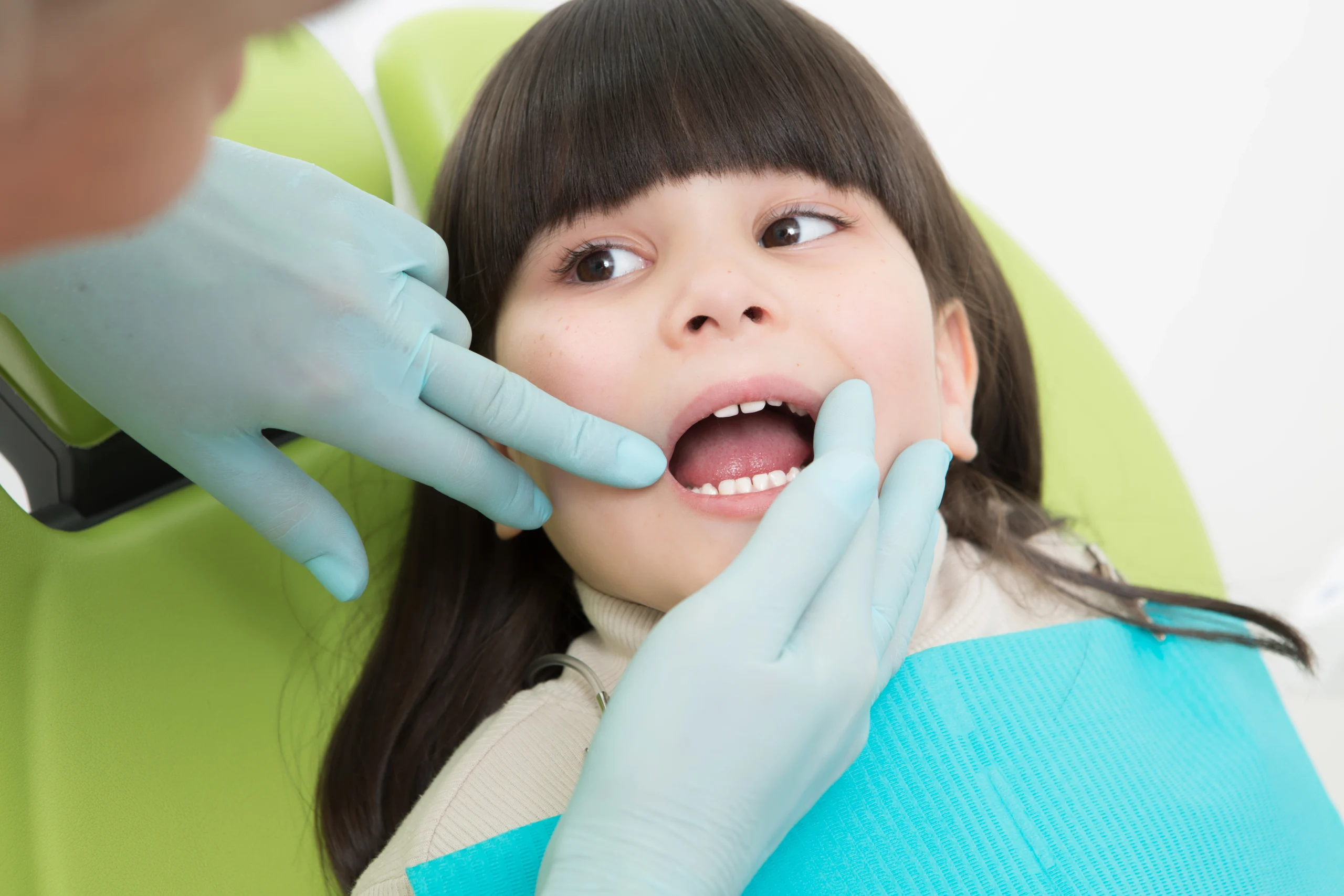
Cavities can form in the grooves and small spaces on the chewing surfaces of back teeth. These areas can be difficult to clean, especially for children who are still learning how to brush well. Dental sealants in Pulaski cover these areas with a thin protective layer that may help prevent cavities. They are quick to apply and do not require drilling or the removal of healthy tooth structure. They are one part of a comprehensive approach to preventing tooth decay and should be used alongside regular brushing, fluoride, healthy food choices, and dental checkups.
What Are Dental Sealants?
Dental sealants are thin protective layers placed on the chewing surfaces of some back teeth. These teeth have small grooves where food and bacteria can get stuck.
A sealant covers these grooves, creating a smoother surface that is easier to keep clean. Dental sealants near you may be recommended when a child has deep grooves or other areas that are more likely to develop cavities.
How Do Sealants Help Prevent Cavities?
The main purpose of a sealant is to protect areas that may be difficult to clean with a toothbrush. When the grooves are covered, food particles and bacteria have less space to collect.
Sealants do not replace brushing or other preventive care. Instead, they provide an added layer of protection for teeth that may be more vulnerable to decay.
When Should a Child Get Dental Sealants?
Sealants are often placed when permanent molars erupt because these teeth have deep chewing surfaces. The exact timing depends on when the teeth appear and the child’s individual risk of cavities.
A pediatric dentist in Pulaski can examine the teeth and determine whether sealants are appropriate. Sealants may also be considered for some baby teeth when the grooves are deep or the risk of cavities is higher.
What Happens During Sealant Application?
Applying a sealant is usually a simple process:
- The tooth is cleaned to remove food and plaque.
- The tooth is dried and prepared for the sealant.
- The sealant is placed into the grooves.
- A special light may be used to harden the material.
- The tooth is checked to make sure the sealant is properly placed.
No drilling is normally needed to place a sealant on a healthy tooth.
How Long Do Dental Sealants Last?
Sealants can last for several years, but they can wear down or become damaged over time. Regular dental visits allow the sealant to be checked and repaired or replaced if needed.
Good brushing and eating habits also remain important. A sealant protects the covered area, but it does not protect every surface of the tooth from cavities.
Are Sealants Better Than Fluoride?
Sealants and fluoride serve different purposes, so one is not a replacement for the other.
- Sealants: Cover the grooves and chewing surfaces of certain teeth.
- Fluoride: Helps make teeth stronger and may protect them from cavities.
- Daily brushing: Removes plaque and food from your teeth.
- Regular dental visits: Help find cavities and other dental problems early.
For some children, using more than one preventive method may provide broader protection against cavities.
Why Are Regular Dental Visits Still Important?
Sealants can help lower the risk of cavities in the areas they cover, but they cannot fully prevent cavities. Regular dental visits are still important to check for early signs of decay, check the sealants, and help your child build good brushing habits.
A pediatric dentist near you can also provide age-appropriate guidance on brushing, fluoride use, food choices, and other ways to protect developing teeth.
Give Young Teeth an Extra Layer of Protection!
The grooves on back teeth can trap food and make brushing those areas more difficult. Dental sealants may help cover these hard-to-clean spots and reduce the risk of cavities. Southern Comfort Pediatric Dentistry can check your child’s teeth, discuss their risk of cavities, and determine whether sealants may be a suitable preventive option. Book your appointment to learn how sealants can fit into your child’s regular dental care.
FAQs
How do dental sealants protect my child’s teeth?
Sealants cover the deep grooves on some teeth, making them smoother and easier to clean. This can help prevent food and bacteria from getting stuck and may reduce the risk of cavities.
At what age should my child get sealants applied?
There is no single age that works for every child. Sealants are commonly placed when permanent molars erupt, but the timing depends on tooth development and the risk of cavities.
How long do dental sealants last?
Dental sealants can last for several years. However, they may wear away sooner in some cases. Regular dental checkups can help your dentist check the sealants and determine whether they need repair or replacement.
Are sealants a replacement for fluoride treatments?
No. Sealants and fluoride work in different ways. Sealants protect specific grooves, while fluoride helps strengthen tooth enamel. A child may benefit from both as part of a cavity-prevention plan.