
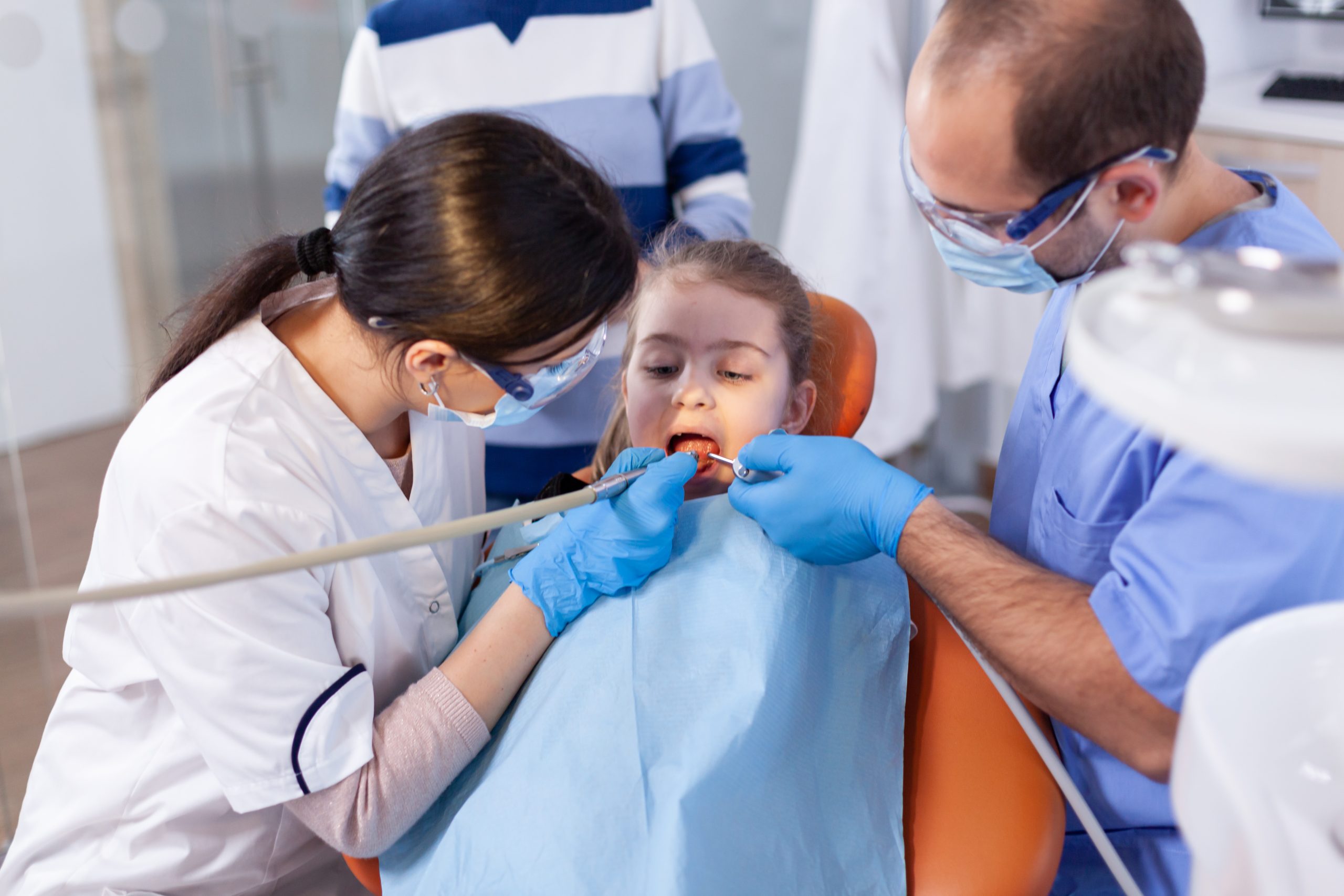
Many children feel nervous about dental visits. Some get a little uneasy. Others feel genuinely frightened—crying before the appointment even begins, refusing to open their mouths, or becoming very distressed in the dental chair.
This is more common than most parents realize. And it is exactly why pediatric sedation dentistry in Pulaski exists — to make dental care accessible, gentle, and manageable for children who struggle with fear or anxiety.
What Is Pediatric Sedation Dentistry?
Pediatric sedation dentistry uses safe, carefully dosed medication to help children feel calm and relaxed during dental treatment. The child does not necessarily go to sleep—in most cases, they remain awake but feel comfortable, drowsy, and at ease.
It is not about forcing a child to endure something frightening. It is about removing the fear barrier so that necessary dental care can happen — gently and without trauma.
Finding pediatric dentistry near you that offers sedation options means your child does not have to miss out on essential care because of anxiety.
Why Do Children Need Sedation for Dental Treatment?
Children experience dental anxiety for many different reasons. Some have had a difficult experience in the past. Others are simply naturally more sensitive or fearful about medical environments.
Sedation may be recommended for children who:
- Feel intense fear or anxiety about dental visits
- Have a strong gag reflex that makes examination difficult
- Need multiple or complex procedures completed
- Have special needs — including sensory processing differences, autism spectrum conditions, or ADHD — that make cooperation challenging
- Are very young and unable to understand or cooperate with dental instructions
- Had a previous traumatic dental experience
Without sedation, these children often go without the dental care they need—leading to worsening oral health that becomes harder and more expensive to treat over time.
What are the Different Levels of Sedation for children?
There are several levels of sedation available for the treatment of children. Choosing the appropriate level of sedation for your child involves considering their age, medical history, level of anxiety, and nature of the dental procedure being performed.
Nitrous oxide—laughing gas
This is the mildest and most commonly used option for children. The child breathes a mixture of nitrous oxide and oxygen through a small nose mask. Within minutes, they feel relaxed, calm, and sometimes a little giggly.
It wears off completely within minutes of the mask being removed. Children can typically go about their normal day immediately after the appointment.
Oral sedation
A liquid or pill medication is given to the child before the appointment. It produces a deeper level of relaxation—the child remains conscious but feels very drowsy and calm throughout treatment. Some children have little memory of the procedure afterward.
IV sedation or general anesthesia
For children with significant medical needs, extreme anxiety, or very complex procedures, deeper sedation administered by a qualified anaesthesiologist may be used. The child is completely relaxed or asleep throughout the procedure.
A trusted dental team experienced in child anxiety dental treatment options will discuss all available choices with you and recommend the safest, most appropriate level for your child.
Is Pediatric Sedation Safe?
This is the question every parent asks first, and it is the right question to ask.
Yes. When administered by a properly trained and qualified dental team, pediatric sedation is considered safe for healthy children. Safety comes from:
- A thorough health history review should be done before any sedation is given
- Careful selection of the right type and dose for the child’s age and weight
- Continuous monitoring of the child’s heart rate, oxygen levels, and breathing throughout the entire procedure
- Having trained staff and emergency equipment available at all times
- Clear aftercare instructions are provided to parents before leaving
Always share your child’s full medical history, allergies, and any medications they take before the appointment. This information helps the team provide the safest possible care.
What to Expect on the Day of the Appointment
Knowing what to expect ahead of time helps both you and your child feel more prepared.
Before the appointment:
- Follow all fasting instructions carefully if sedation beyond nitrous oxide is being used
- Dress your child in comfortable, loose-fitting clothing
- Bring a comfort item if it helps—a favourite toy or blanket
- Explain the appointment to your child in calm, simple terms without using words like “needle” or “hurt.”
During the appointment:
- A parent or guardian is typically present during the preparation stage
- The dental team will work at the child’s pace
- Vital signs are monitored throughout
- The child’s comfort is checked regularly
After the appointment:
- With nitrous oxide, recovery is almost immediate
- With oral sedation or deeper sedation, some drowsiness may continue for a few hours
- Arrange for the child to rest at home afterward
- Follow all post-procedure instructions provided by the dental team
Give Your Child a Calm, Positive Dental Experience — Southern Comfort Pediatric Dentistry Is Here
Every child deserves dental care that feels safe and manageable—not something to fear. Sedation dentistry gives anxious children the opportunity to receive the treatment they need in a way that respects their feelings and keeps them comfortable from start to finish.
At Southern Comfort Pediatric Dentistry, the team is specially trained to care for children of all ages and anxiety levels with warmth, patience, and genuine expertise. Whether your child needs a simple cleaning or a more involved procedure, they are here to make the experience as positive and stress-free as possible. Book your child’s appointment with us today —because every child deserves to leave the dentist with a smile.
Frequently Asked Questions
Q1: At what age can children receive sedation for dental treatment?
Sedation options like nitrous oxide can be used safely for children as young as two to three years old—deeper sedation levels are also available for younger children when medically necessary, always with appropriate monitoring and qualified supervision.
Q2: Will my child feel any pain during sedation dentistry?
Sedation reduces anxiety and helps the child stay calm, while a local anesthetic is used alongside it to ensure the child feels no pain during the procedure—the two work together for both comfort and pain management.
Q3: What can I do to prepare my child’s emotions before a sedation dental appointment?
Speak about the appointment calmly and positively, avoid using words that imply pain or fear, let them bring a comfort item, and reassure them that the dental team is there to help them feel comfortable and safe.
Q4: What should I watch for after my child’s sedation appointment?
Monitor your child for unusual drowsiness, nausea, or any difficulty breathing—mild sleepiness and grogginess for a few hours after oral or IV sedation are normal, but contact the dental team immediately if anything seems concerning.