
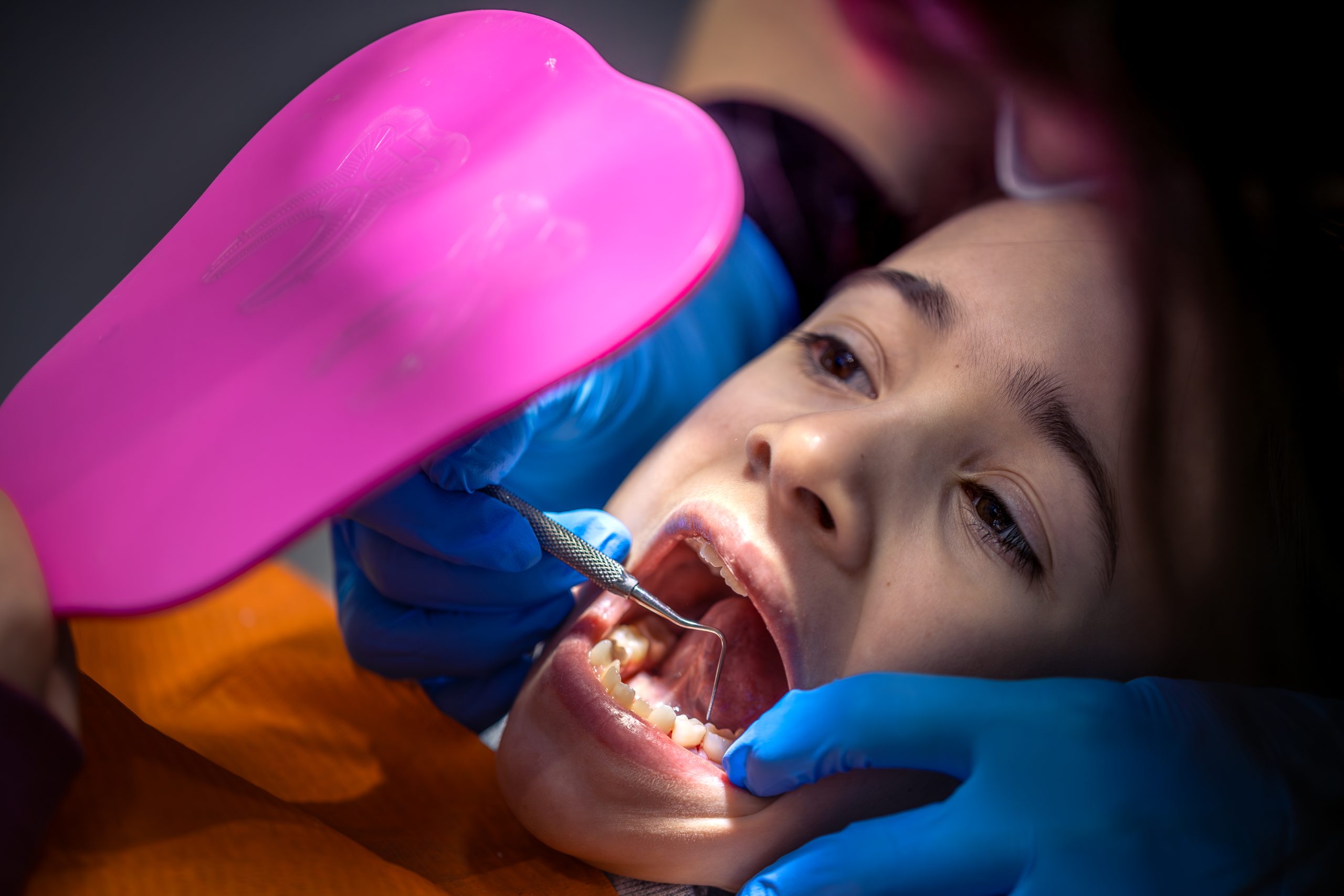
What should you do if your child has a cavity or a tooth injury? Children’s teeth are more delicate than adult teeth. If a cavity or damage reaches the inner pulp, the tooth needs special care. A pediatric dentist in Pulaski can check the tooth and recommend the right treatment to save it, reduce pain, and prevent infection. One common treatment is pulp therapy, made especially for children’s teeth.
Pulp therapy focuses on treating the soft tissue inside the tooth, known as the pulp, which contains nerves, blood vessels, and connective tissue. When this area becomes infected or damaged due to decay or trauma, it can cause pain, swelling, and even abscesses. Early intervention helps preserve the natural tooth, maintain proper bite alignment, and promote healthy oral development.
What is Pulp Therapy?
Pulp therapy for kids near you is a set of procedures that aim to protect and treat the pulp rather than remove the tooth entirely. It is sometimes referred to as a “baby root canal” because it preserves the structure of the primary tooth until it naturally falls out. The treatment can involve:
- Pulp capping: A protective material is applied to the pulp to help it heal and stay healthy.
- Pulpectomy: Removal of the damaged pulp while keeping the roots intact.
- Indirect pulp treatment: Only the decayed part of the tooth is removed, leaving healthy pulp untouched.
The type of pulp therapy chosen depends on the extent of decay or damage and the child’s overall oral health. Your pediatric dentist will determine the safest and most effective approach for your child.
Why is Pulp Therapy Important for Children?
Taking care of baby teeth is very important because.
- Helps adult teeth grow properly: Baby teeth preserve space for adult teeth to come in properly.
- Makes eating easier: Healthy baby teeth let kids chew food and stay healthy.
- Prevents infection: Fixing tooth problems early protects other teeth and bones.
- Reduces pain: Treating the tooth quickly can stop toothaches and make the child feel better.
- Prevents bigger problems: Fixing pulp issues early helps kids avoid more serious treatments later and keeps their teeth healthy.
How Is Pulp Therapy Performed?
The procedure is tailored to children’s comfort and dental needs:
- Assessment: The dentist evaluates the tooth using X-rays and clinical examination.
- Anaesthesia: Local anaesthesia ensures a pain-free experience.
- Decay removal: Any damaged or infected tissue is carefully removed.
- Pulp treatment: Depending on the case, pulp capping, pulpectomy, or indirect pulp treatment is performed.
- Fixing the tooth: The dentist repairs the tooth with a filling or crown to keep it safe from more damage.
Pediatric dentists use gentle techniques, often incorporating fun or calming methods, to help children feel at ease during the procedure.
Signs Your Child May Need Pulp Therapy
Parents should watch for symptoms that indicate potential pulp issues, including:
- Persistent tooth pain or sensitivity to hot and cold foods
- Swelling around the tooth or gums
- Darkening or discolouration of a tooth
- Difficulty chewing or biting
- Visible cavities that extend deep into the tooth
Early evaluation by a pediatric dental office near you can identify problems before they worsen.
Benefits of Pulp Treatment for Children
- Keep baby teeth: Hold onto baby teeth until they fall out naturally.
- Helps adult teeth grow correctly: Makes sure permanent teeth come in the right place.
- Reduces pain: Stops toothaches from infected or damaged pulp.
- Prevents problems: Lowers the risk of infection or abscesses.
- Quick recovery: Most kids feel just a little discomfort and can go back to normal quickly.
Because of these benefits, pulp therapy is often better than pulling the tooth whenever possible.
Caring for Your Child After Pulp Therapy
Taking care of your child’s tooth after treatment is very important:
- Eat soft foods: Stick to soft foods for the first day or two.
- Brush gently: Brush carefully and avoid the treated tooth at first.
- Watch for problems: Look for swelling, fever, or ongoing pain and tell the dentist if needed.
- Go to follow-ups: Visit the dentist to check how the tooth is healing and staying strong.
Doing these things helps keep the tooth healthy and prevents more problems.
How to Choose the Right Pediatric Dentist
When seeking a pediatric dentist near Beach Haven, consider the following:
- Experience with pulp therapy and child-specific dental procedures
- Use of gentle, calming techniques for children
- Modern equipment and pain management options
- Positive reviews and recommendations from other parents
- Convenient location and flexible scheduling
A qualified pediatric dentist ensures that your child’s dental experience is safe, comfortable, and effective.
Ensure Healthy Teeth and a Confident Smile for Your Child!
Does your child require pulp therapy? Be assured that Southern Comfort Pediatric Dentistry will help you with expert care at every turn. Make an appointment today to keep their teeth healthy, help them grow right, and give them a bright, confident smile for years.
FAQs
Does pulp therapy hurt kids?
No. Pediatric dentists use numbing medicine and gentle methods to keep the treatment comfortable. Most kids feel only a little discomfort afterwards.
How long does pulp treatment take?
The procedure usually takes 30–60 minutes, depending on the tooth and treatment type.
Will my child need a crown after pulp therapy?
Often, a stainless steel or composite crown is placed to protect the treated tooth and restore chewing function.
Can pulp therapy fail?
While pulp therapy is highly effective, infection can recur in rare cases. Regular dental check-ups help detect and address any issues early.